In a couple of months I will be 62 years old. My wife is 52 years old and not working. I am currently employed with an income of $ 150,000 to $ 200,000 per year. My 401 (k) currently has $ 950,000. My savings are approximately $ 350,000. I also have an investment of $ 500,000, earning approximately $ 24,000 a year. My only debts are a car loan ($ 40,000.00) and a mortgage, which is a monthly payment of $ 1,350. My home is in Missouri, although I currently live and work in Florida. I rent there for $ 3,000 a month.
I would like to retire in April next year. I will be 62 ½ years old and I am in good health. I don’t plan on withdrawing Social Security for a while because I have cash flow plus cash savings. Should I postpone social security? If I receive Social Security, I should receive about $ 2,100 a month. If I wait until adulthood, I should get $ 2,900 a month. Is it feasible to retire comfortably at 62 ½? Did I position myself well?
I would be very grateful for your feedback and advice.
Best regards
D
See: I’m 60, my husband is 45 – can I retire if our expenses are $ 12,000 a month?
Dear D,
Congratulations on years of hard work that have saved so much money. It is truly an achievement and will serve you well in retirement.
You wonder if you have positioned yourself well for retirement. It is true that many people will see your total invested assets as $ 1.8 million and think “of course”, but that is a fair question.
In the end, “your success will be a function of your savings, your investment, and your cash flow,” said Erika Safran, a certified financial planner and director of Safran Wealth Advisors.
It is best to consider your invested assets as $ 1.8 million as this does not include the value of your home. If you don’t plan to sell your home and use the income to fund your retirement, that shouldn’t be in the calculations, Safran said. This does not mean that it is neither valuable nor useful in the future – in the event of an unforeseen emergency, you could consider a reverse mortgage if it suits your circumstances later in life and depending on eligibility requirements.
Keep in mind that everything in this answer should be treated as a starting point. You didn’t give a lot of numbers to analyze the financial advisors I spoke to. Given that, if we round up to the lowest possible annual income you mentioned, which is $ 150,000 per year, and you should maximize your 401 (k) contributions to $ 26,000, after tax you are looking at approximately $ 90,000 you will spend on living costs, Safran calculated. This is the amount of money you have to exchange for retirement years. Ask yourself – does that sound feasible? Are there any costs that can deter you from reaching that threshold or do you need to make changes to reach that limit?
As the saying goes, “cash is king” – the same can be said for cash flow management retired. You have great positives – assuming you return to Missouri full-time and stop paying your Florida rent after you retire, owning those extra funds will certainly help your cash flow. If you consider the monthly payments for your car loan and mortgage as part of your living expenses (which would make sense), you will have even more cash to play with when those debts are repaid.
But you haven’t mentioned any other cost of living you have or can reasonably expect to have in retirement, and that will really diminish or break your retirement goals. You should consider printing a budget or at least what your expected monthly expenses will be for retirement. You have only provided us with a monthly mortgage and rent, which leaves a lot of consideration on the table. With this data, you can make several budgets of your own or work with a financial planner to determine how realistic retirement in April would be. A financial planner could help you create a strategy for withdrawing your assets.
In any case, think carefully about your retirement expenses. Brian Kennedy, a wealth planning advisor at KCA Wealth Management, suggests that you write one column of supplies you will have to pay for in retirement and then one for your wishes and desires, such as travel, gifts, and hobbies. He recommends reading “Can plan: Protecting and Increasing Your Carefree Retirement Property, ”by Jason L. Smith.
In addition, outside of your investments, set aside the equivalent of a two-year expense in a savings account and maintain that balance each year, Safran said.
See the MarketWatch column “Retirement Hacks” for effective tips for your personal retirement trip
Before I move on to some other points, I want to highlight your health needs. Will you and your wife be covered plan if you retire, and if not, what will you do about it? Americans are eligible Medicare at age 65, which means you would need another two and a half years to enroll. Your wife would have even more time to fulfill the conditions.
If you love your job and it’s “bearable in terms of family dynamics,” perhaps you should also consider working a little longer not only to continue building the nest, but also to reap all the health insurance benefits you get, said Daniel Hawley, certified financial planner at Hawley Advisors. This is not ideal for everyone, of course, but it could help.
“The longer it works and finances its 401 (k) (and creates savings and investments), the safer it is [his wife’s] retirement, ”Hawley said. Even if you do not continue to work in a particular capacity with health care benefits, you will need to calculate your wife’s health insurance costs accordingly in the future – especially when you become eligible for Medicare.
In addition to where you will get health insurance, consider what health costs you will have long-term and short-term. Health care costs are a major part of retirees ’annual costs, especially with age.
One more note about your property before I continue. Many people think that the closer someone retires, the more conservative their investments should be, but that is not necessarily true. “What people with that mindset don’t realize is that a) retirement is the end of earned income and the start of funding the remaining lifespan of unknown years,” Hawley said. You could plan for 40 or more years, especially when you consider your wife’s needs after you die, he said.
“Despite COVID, upper-middle-class people with resources live longer and healthier,” Hawley said. “I’m telling my clients that they expect to live longer than you think … and that it’s hard enough to be old enough and broken.”
Now about social security – when a person claims that his or her benefit is always a very personal decision and depends on a number of factors, including income needs, life expectancy and just the overall attitude towards programto name just a few. Some people claim the right as soon as possible, which is 62 years, while others wait until they reach the age of majority to retire to get 100% of the compensation they owe them (the sooner you apply before your FRA, the more you will be less than your full benefit gain). Then there are people who expect to live to their 80s or 90s and don’t need the money yet, so they seek social security after they get an FRA.
There are retirees who make decisions based on their life income from social security. For example, suppose a person has a 30-year-old retirement age of 62. If she claimed to be 62, she would have accumulated $ 756,000 over 30 years. If she had waited until she was 67 and thus had 25 years of retirement left, she would have accumulated $ 870,000. “The longer your family longevity, the better you will wait for at least adulthood to retire,” Safran said. “If you can afford your living expenses without Social Security income, you better put it off.”
Once you understand your cash flow needs, you’ll be able to have a better picture of when to take Social Security, Kennedy said.
You might also want to procrastinate for your wife’s well-being, Hawley said. Not only do you get an “8% guaranteed refund per year” when you’re late, but also because she’s 10 years younger and probably doesn’t have her own social security, your wife will receive a percentage of your benefit if or when she preceded it, he added.
I know you specifically wondered about your retirement, but I wanted to give a few more notes based on the information you shared about your wife. One of the main areas is the income needs for survivors, Kennedy said, and that budget I mentioned earlier could help you both understand. Second would be any life insurance policies you have, if you have them, and how they will benefit her. And finally (for now), make sure you have all your legal documents in order – wills, powers of attorney, health proxies, etc. Here’s more about estate planning considerations.
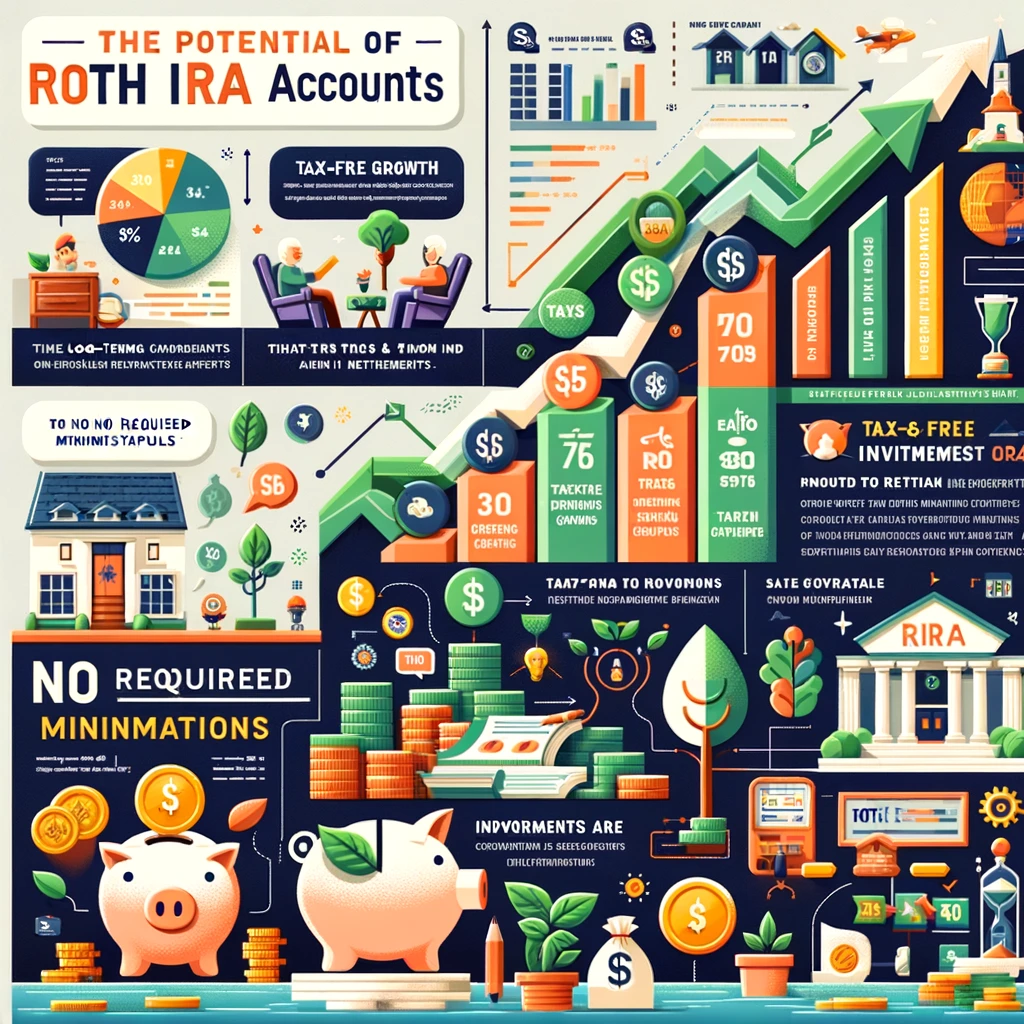
Safran had another suggestion: consider converting part of your individual retirement account into Roth IRA on an annual basis when you retire. This is a great job for a financial planner, who could determine that the maximum amount of money should be converted with taxes in mind. “Unlike the IRA, the Roth IRA does not have the required minimum distribution at age 72,” she said. “Investments in the Roth IRA are growing tax-free, and withdrawals during retirement (after age 59) are also completely non-taxable.”
Lastly, I say this to anyone of any age – think carefully about what retirement will be looks like. Discuss these goals with your spouse and plan accordingly. Think about its awkward aspects — like estate planning and long-term care — but also the fun parts, like the ones you can go on trips to, what hobbies you might pursue, and what other passions you’ll pursue. Good luck!
Readers: Do you have any suggestions for D? Add them to the comments below.
Do you have a question about your own pension savings? Send us an email at [email protected]